

Imagine lounging on pristine beaches, exploring lush rainforests, admiring active volcanoes, and immersing yourself in the rich culture and biodiversity of Central America. If this sounds like the perfect getaway for you, then Costa Rica is an ideal destination to fulfill those wanderlust dreams. Embarking on this journey begins with one key decision: choosing the right airport to touch down on. Although this may seem a trivial detail, the numerous airports scattered throughout the beautiful land of Costa Rica indeed play a significant role in ensuring a smooth-sailing and enjoyable trip.
In this blog, we will discuss the main airports in Costa Rica, their accessibility, nearby popular attractions, and travel tips to help you make the best decision. By the time you finish reading, you’ll have all the essential information needed to plan your perfect Costa Rican adventure. So pack your bags, and let’s dive in!

Introduction to Costa Rica’s Airports
Costa Rica, a breathtaking Central American country, offers travelers an abundance of experiences in its diverse landscapes, ranging from pristine beaches to lush rainforests and impressive volcanoes. To embark on your Costa Rican adventure, there are two main international airports in the country that serve as gateways to this tropical paradise: Juan Santamaría International Airport (SJO) in San José and Daniel Oduber Quirós International Airport (LIR) in Liberia.
San Jose International Airport, situated in the Central Valley near the bustling capital city of San José, is the largest and busiest airport in Costa Rica. Hosting a vast array of airlines from around the globe, this airport serves as a central hub for travelers seeking to explore the country’s natural wonders, vibrant nightlife, and diverse cultural offerings. Meanwhile, Liberia International Airport, located in the northwestern region of Guanacaste, provides a convenient entry point for tourists aiming to discover the stunning Pacific coast, world-class surf spots, and renowned tourism destinations.
Both of these modern, well-maintained airports boast a variety of dining and shopping options, as well as helpful facilities and services to ensure a smooth and stress-free arrival or departure experience. To ensure your Costa Rican vacation aligns with your preferences and maximizes your time in this magnificent country, it is essential to familiarize yourself with the accessible airports and carefully plan your itinerary according to your desired destinations.
Major International Airports in Costa Rica
SJO is in the city of Alajuela, a 20-minute drive from San Jose. This airport has the most international arrivals and departures in the country, offering a range of facilities such as souvenir shops, bars, cafes, and a duty-free shop. The bustling capital city of San Jose is nearby, providing visitors with numerous accommodation options, a thriving dining scene, and vibrant markets to explore.
The second major airport in Costa Rica is the Daniel Oduber International Airport (LIR), which is located in Liberia. This airport in the northwest of Costa Rica is smaller than San Jose’s airport but is still modern and well-equipped, boasting facilities like small shops, cafes, and a duty-free shop. The city of Liberia offers a more laid-back experience compared to the bustling streets of San Jose. Those who are flying into Liberia are typically headed to the beautiful region of Guanacaste, the town of Monteverde, Arenal Volcano, or even the town of La Fortuna. Many beach hotels in the Guanacaste region, such as Papagayo Peninsula and Tamarindo Beach, are located within an hour’s drive from the airport, making it a convenient option for those eager to hit the beaches.
Choosing the Best Airport for Your Travel
When planning your trip to Costa Rica, choosing the best airport for your travel is an essential step. Your choice of airport depends on a variety of factors including your budget, itinerary, and desired destinations.
San Jose International Airport (SJO) offers more international and domestic flights as compared to Liberia Airport. It is also generally cheaper to fly into SJO compared to LIR. However, be prepared for traffic jams and more challenging driving conditions around the airport area in San Jose. If your travel plans include visiting the Caribbean, Central and South Pacific, Osa Peninsula, or the North and South zones, flying into SJO would be the more sensible choice.
On the other hand, Liberia International Airport (LIR), while smaller and less busy than SJO, is close to some of the most picturesque beaches in Costa Rica, making it a convenient choice for those looking to soak up the sun and surf. In addition, the roads around LIR are usually well-paved and less congested compared to those near SJO, providing a smoother travel experience. If your travel itinerary includes visiting Guanacaste, the Nicoya Peninsula, or the Northern Lowlands, flying into LIR would be more ideal. Make sure you don’t choose the wrong airport!

Airlines that Have Flights to Costa Rica
Costa Rica’s stunning landscapes and vibrant atmosphere continue to attract countless tourists each year. To accommodate this influx of global visitors, several airlines provide convenient and direct flights to Costa Rica, ensuring a smooth journey for all types of travelers. Both of Costa Rica’s international airports are serviced by major US airlines, as well as other international carriers.
Some popular US airlines that fly to Costa Rica include Alaska Air, US Airways, American Airlines, Frontier, Delta, JetBlue, and Spirit. These airlines offer direct flights from various cities across the United States, making it easy for travelers to choose a suitable route based on their preferences and proximity.
Aside from US airlines, numerous international carriers also operate flights to Costa Rica, such as Copa Air, Air Canada, Air France, Mexicana, and Avianca. These airlines connect Costa Rica with destinations in Canada, Mexico, and other parts of Latin America and Europe, further expanding the travel possibilities for tourists.
When planning their vacation to Costa Rica, travelers can consult various airline websites and online booking platforms to compare airfares and find the best deals. With numerous airlines catering to different routes and budgets, travelers can easily find a flight that suits their needs, ensuring a comfortable and hassle-free journey to this beautiful Central American gem.

Cost of Airfare to Costa Rica
The cost of airfare to Costa Rica can vary significantly depending on several factors, such as the time of year, departing location, and how far in advance the ticket is purchased. Discerning travelers who are conscious of their budget must take these factors into account when planning their trip to this beautiful Central American country. Fortunately, there are numerous options available to suit varying budgets and preferences, ensuring that a trip to Costa Rica remains accessible and enjoyable for everyone.
One key determinant of airfare cost is the season. High season in Costa Rica, which typically stretches from December to April, sees a surge in the number of tourists visiting the country. As a result, flight ticket prices tend to be higher during this period. To secure more affordable tickets, travelers may want to consider visiting during the low or shoulder seasons, when there is a decrease in tourist numbers and flight prices are generally lower.
Another crucial aspect affecting flight costs is the departure city. Travelers flying from major hubs, such as New York or Los Angeles, may find more competitive airfare prices compared to those departing from smaller cities. Additionally, purchasing a plane ticket well in advance can offer significant savings, as airlines often increase prices closer to the departure date.
Lastly, it is worth considering the variety of airlines and airports available when flying to Costa Rica. By opting for a slightly longer layover or choosing a less popular airport, travelers may be able to secure more affordable airfare.

Planning a Sensible Itinerary
Planning a sensible itinerary is crucial when traveling to Costa Rica, as it ensures that travelers make the most of their time in the country while minimizing unnecessary travel time. Costa Rica may be a small nation, but its diverse landscape and widely varying road conditions can make travel between destinations more time-consuming than one might expect.
To start, travelers should carefully consider which international airport to fly to: San José International Airport (SJO) or Liberia International Airport (LIR). The decision largely depends on the destinations they plan to visit during their trip. San José Airport is more centrally located, providing easier access to the central and southern Pacific coasts, the Caribbean coast, La Fortuna, and Monteverde. On the other hand, Liberia Airport is closer to beach destinations in Guanacaste, the northern Pacific coast, and it is roughly equidistant to La Fortuna and Monteverde.
Next, travelers should prioritize their desired destinations and experiences to create a logical route that minimizes backtracking and wasted time. This may involve clustering destinations within the same region or organizing the itinerary to flow from coastal areas to inland attractions or vice versa.
It is also essential to account for drive times between destinations, as mountainous terrain and poor road conditions can make even short distances quite time-consuming. Finally, keep in mind that driving after dark is not recommended in Costa Rica, as the sun sets consistently around 6:00 p.m., meaning any travel should be planned within daylight hours.
Connection Flights Domestically in Costa Rica
Connecting to domestic flights in Costa Rica is relatively simple and straightforward, thanks to the country’s two main airports: Juan Santamaria International Airport (SJO) in San Jose and Daniel Oduber Quiros International Airport (LIR) in Guanacaste. Both airports offer convenient connections to various domestic flights operated by domestic airlines such as Sansa Airlines and Costa Rica Green Airways.
If your domestic flight departs from Juan Santamaria International Airport (SJO), you can easily connect to the San Jose Domestic Terminal, located right next to the international airport. Travelers can quickly reach the domestic terminal via taxi, Uber, or a short walk from the nearby public bus stop.
For domestic flights departing from Daniel Oduber International Airport (LIR), passengers can similarly connect to their domestic flight within the same airport complex. In addition, Sansa Airlines operates domestic flights from the Limon International Airport.
It is essential for travelers to arrive at the airport at least one hour before their domestic flight’s scheduled departure. Adequate time is necessary for passengers to check in, pass through security, and prepare for boarding. Keep in mind that luggage restrictions apply for domestic flights, so it’s crucial to review each airline’s baggage allowance policy beforehand.
Due to Costa Rica’s ever-changing weather and occasional volcanic activity, domestic flights may experience delays or cancellations. In such instances, airlines usually provide alternative transportation, such as shuttle vans, or offer credits towards future flights.
Impact of Volcanic Activity on Airports
Volcanic activity can have a significant impact on airports and the aviation industry as a whole. When a volcano erupts, it releases ash, gas, and sometimes lava into the atmosphere. These volcanic emissions can create hazardous conditions for air travel, affecting flight schedules, causing flight cancellations, and even damaging aircraft. One such example is the recent eruption of Turrialba in Costa Rica, which produced a series of ash-rich explosions that led to the closure of airports across the country.
Ash emitted from volcanic eruptions is particularly dangerous for aircraft as it can cause engine failure, reduced visibility, and damage to the aircraft’s exterior. Moreover, airports located near the affected area may need to be closed for safety reasons, causing inconvenience for travelers and a drop in tourism revenue for the country.
In the case of Turrialba, its eruptions in September resulted in ash plumes that reached as high as 4 kilometers (~13,000 feet) and lasted for several hours, forcing the closure of the San Jose airport for a significant period of time. Not only did this cause disruption to air travel, but it also necessitated a thorough clean-up operation to remove ash from the runway to prevent any damage to aircraft during taxiing.
As volcanic activity continues to be a concern in various parts of the world, airports and the aviation industry as a whole must remain prepared and vigilant for the potential impacts it can cause. This includes implementing effective monitoring systems, developing contingency plans, and working in close cooperation with volcano monitoring teams. By implementing these measures, we can better prepare for potential volcanic activity and take necessary actions to mitigate the impact on local communities and the environment.
Airport Status and Flight Delays
Airport status and flight delays in Costa Rica can be quite common due to several factors. The most frequent cause of flight delays, like in most places, is weather. Costa Rica’s tropical climate can bring sudden storms, heavy rain, and low cloud ceilings, making it difficult for planes to take off and land safely. To avoid unpleasant surprises and ensure a smoother travel experience, it’s essential to remain updated on the status of your flight and be prepared for possible delays.
Another factor contributing to delays in Costa Rican airports is insufficient capacity. With tourism on the rise and a growing number of flights from the US and Europe, both San José (SJO) and Liberia (LIR) airports are struggling to keep up with demand. Constant construction work is taking place at both airports, but the expansions may still be inadequate compared to the rapid growth in visitor numbers. It is suggested to travel during mid-week to avoid larger crowds and have flexible plans on arrival and departure days to accommodate potential delays.
Lastly, in some cases, delays may be caused by weather conditions in other cities or countries, such as snowstorms in Denver, hurricanes in Houston, or melting runways in Las Vegas. To prevent frustrations and ensure a smooth journey, make sure to continually check the status of your flight, plan ample time for potential delays in your travel itinerary, and keep your documents and essentials handy. By staying informed and prepared, you can better enjoy your trip to the enchanting country of Costa Rica.
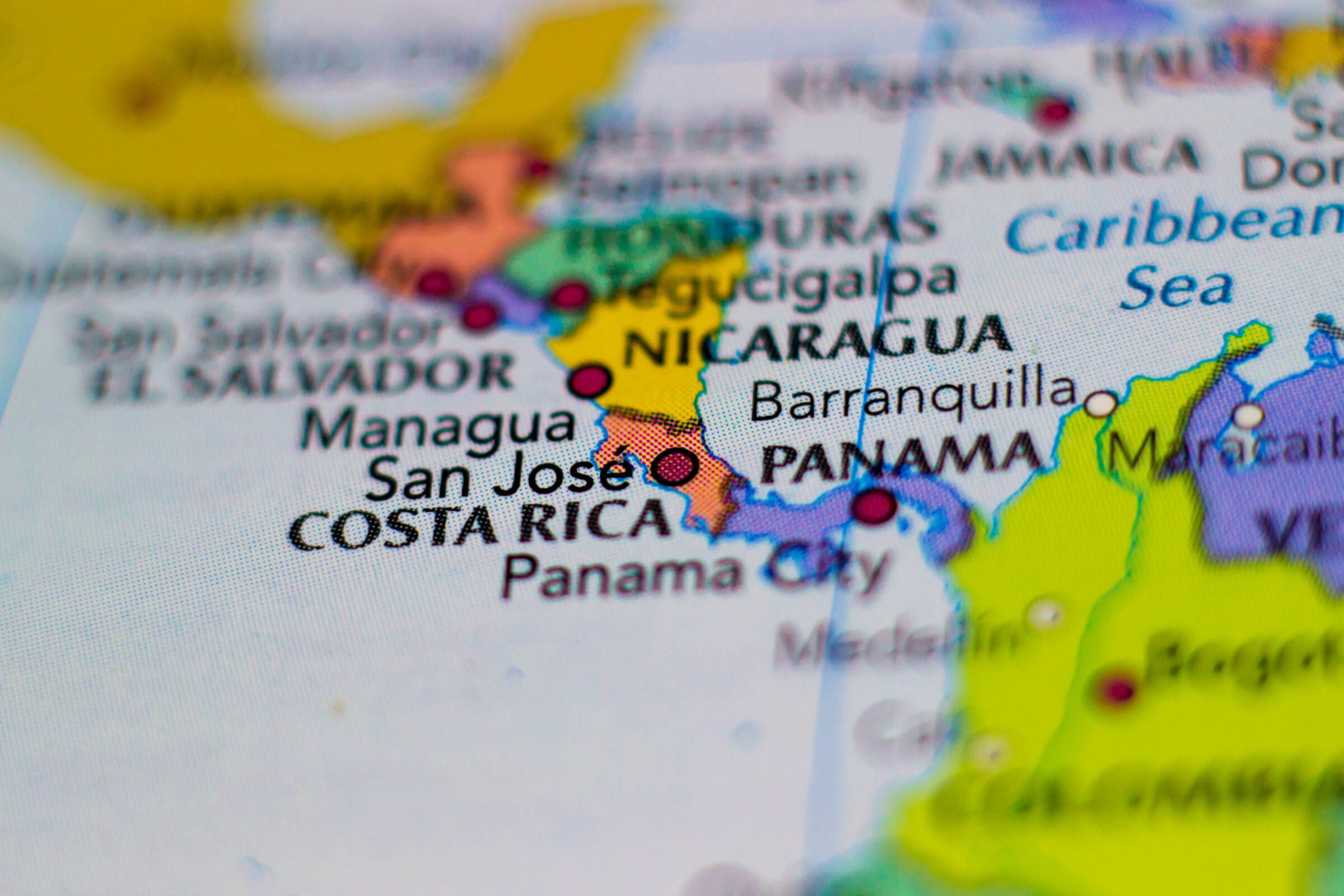
Map of Costa Rican Airports