
Costa Rica is synonymous with verdant rainforests, towering volcanoes, and pristine coastlines, but for the discerning traveler, the country offers a sensory journey that reaches far beyond the visual. To visit a cacao farm is to engage with the very soul of the landscape. Whether you are wandering through the mist-covered slopes of a mountain plantation or exploring the humid, low-lying coastal groves of the Caribbean, the experience of a chocolate tour in this Central American paradise is unmatched. This guide is designed to navigate the complexities of the industry, moving beyond simple tourist excursions to provide you with an authoritative, scientific, and culturally rich understanding of what it takes to produce the world’s most beloved indulgence.
Why Costa Rica is the Ultimate Destination for Cacao Lovers
Beyond the Beach: The Cultural Significance of Cacao
While the surf and sand often draw the crowds, cacao is the silent protagonist of Costa Rican history. For centuries, the plant has served as a cornerstone of indigenous life. Unlike mass-produced confectionery, the Costa Rican approach to cacao remains deeply rooted in tradition and respect for the land. When you engage in a chocolate tour here, you are not merely observing a production line; you are participating in a historical continuum. The cacao tree is viewed as a sacred entity in many local communities, representing prosperity, health, and a connection to the earth that transcends modern commercialism.
The “Drink of the Gods”: A Brief History from Mesoamerica to Modern Costa Rica
Cacao—the source of all chocolate—has a lineage that traces back to the ancient civilizations of Mesoamerica. Known by the Aztecs and Mayans as the “Drink of the Gods,” it was far more than a simple treat. It was used as currency, medicine, and a vital component of sacred rituals. Today, Costa Rica preserves this heritage by highlighting the Theobroma cacao plant, a name derived from the Greek words meaning “food of the gods.” By understanding this history, the act of consuming dark chocolate becomes an act of appreciation for a legacy that has survived centuries of colonial shifts and industrial evolution.
From Pod to Bar: What to Expect During Your Chocolate Experience
Exploring the Plantation: Cacao Plants and the Ecosystem
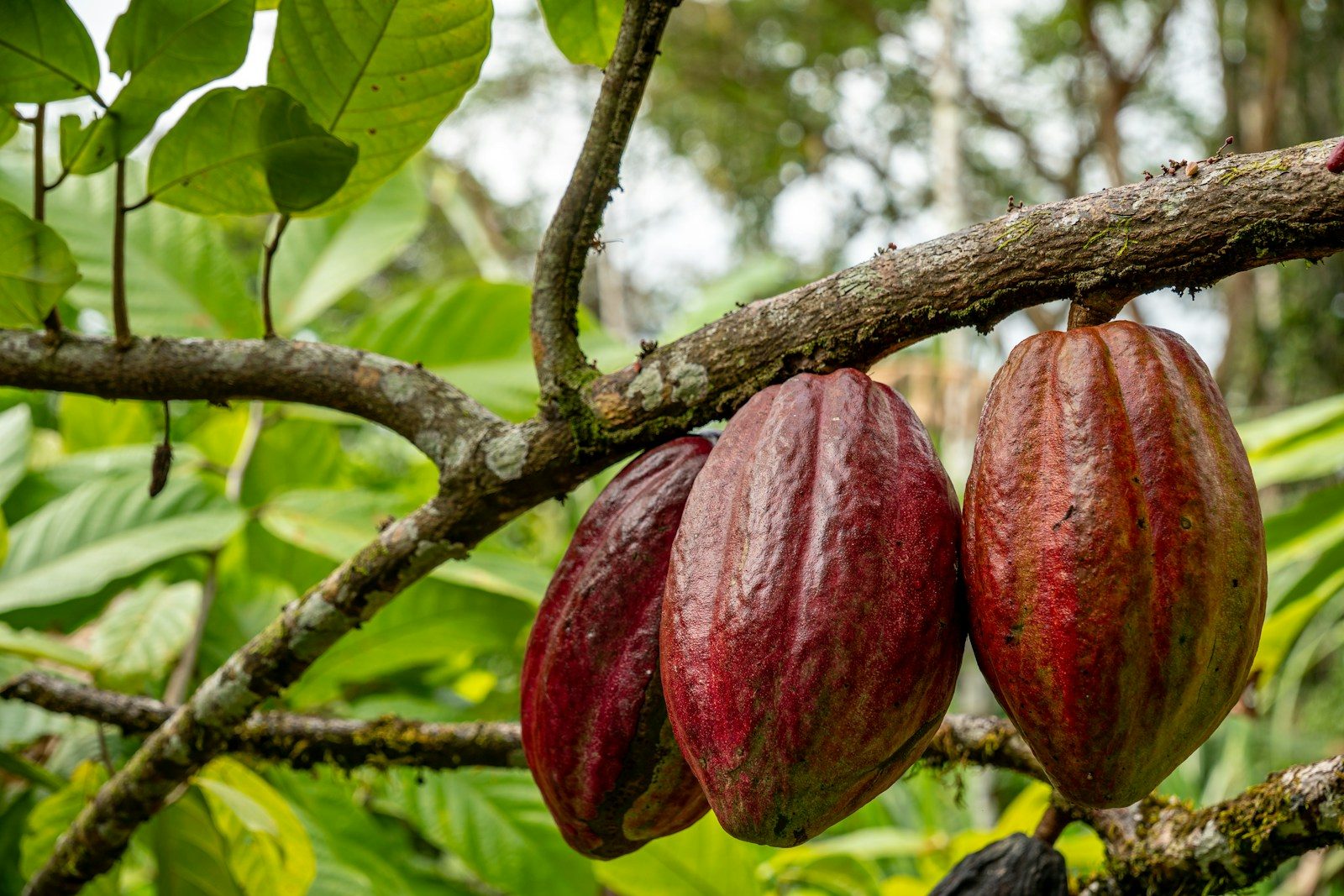
Cacao plants require a delicate ecological balance, thriving under the protective shade of larger canopy trees in high-humidity environments.
A high-quality chocolate tour begins in the field. You will walk through lush groves where the cacao tree thrives in the shade of larger canopy species. This ecological balance is vital; cacao plants require specific humidity and protection from direct sunlight to flourish. As your guide leads you through the farm, you will learn to spot the vibrant, multi-colored pods—ranging from deep crimson to bright yellow—that sprout directly from the trunk and branches. This is an immersive introduction to the life cycle of the seed, highlighting the sustainable agricultural practices that allow these farms to thrive without depleting the rainforest.
The Fermentation Process: Where the Flavor Begins
The magic of chocolate is not found in the raw pod, but in the alchemy of fermentation. Once the pods are cracked open, the white, pulp-covered seeds are harvested and placed in wooden boxes or under banana leaves. Over several days, the natural sugars in the pulp begin to break down, generating heat and initiating chemical reactions that strip away bitterness and begin the development of complex flavor precursors. Without this essential step, the final bar would lack the depth and character that connoisseurs crave. Observing this stage on a tour gives you a profound appreciation for the patience required in artisanal production.
Drying and Roasting: Transforming the Cocoa Seeds
After fermentation, the seeds must be dried, usually in the tropical sun, until they reach the ideal moisture level. The tour then moves to the roasting stage. This is where the artistry of the chocolatier takes center stage. By carefully controlling the temperature and duration of the roast, the producer can coax out specific profiles—nuttiness, fruitiness, or even hints of tobacco and spice. The air in the roasting room is thick with the intense, comforting aroma of cocoa, a scent that serves as the sensory peak of the entire experience.
Manual Grinding and Tempering: The Artisanal Craft
The final stages of the journey involve grinding the roasted nibs into a smooth liquor and tempering the resulting chocolate. In traditional artisanal tours, you will often have the chance to use a metate—a stone grinding tool—to crush the seeds into a rich, dark paste. This tactile engagement with the product is what distinguishes a top-tier chocolate tour from a casual visit. Tempering, the process of heating and cooling the chocolate to ensure a glossy finish and the perfect “snap,” is the final technical hurdle, demonstrating the precision required to produce world-class bars.
Regional Guide: Where to Find the Best Chocolate Tours
La Fortuna & Arenal: Adventure Meets Sweetness
The area surrounding the Arenal Volcano is the epicenter of Costa Rican eco-tourism. Because of its volcanic soil, the region produces cacao with a unique minerality. Chocolate tours here are often expertly combined with coffee explorations. The proximity of these crops allows for a “dual-harvest” educational experience, where visitors learn how the roasting profiles of coffee beans and cacao seeds share a scientific lineage.
Puerto Viejo & The Caribbean Coast: Indigenous Traditions and the BriBri Culture
On the Caribbean coast, the influence of the BriBri people remains strong. Tours here are far more than commercial ventures; they are intimate lessons in indigenous philosophy. The BriBri use traditional methods to prepare cacao, often serving it in its purest form as a potent, spiced hot chocolate. If you are seeking a deep, spiritual connection to the history of the plant, this is the region where the soul of the industry resides.
Manuel Antonio & Quepos: Coastal Farms and Sloth Sightings
For those traveling along the Pacific coast, the farms near Manuel Antonio offer a hybrid experience. Because of the heavy forest cover, these tours often double as wildlife viewing opportunities. It is common to spot sloths, monkeys, and tropical birds while walking between rows of cacao trees. It is a relaxed, picturesque way to experience the harvest.
San José & The Central Valley: Gourmet Experiences and Sibu Chocolate
If your travels keep you near the capital, the Central Valley is home to more refined, laboratory-style chocolate experiences. This is where you will find innovators like Sibu Chocolate, who focus on the “fine-flavor” aspects of the product. The focus here shifts from the rustic farm experience to the culinary science of tempering, flavor pairing, and high-end manufacturing.
Top Picks: The Best Chocolate Tours in Costa Rica
Best for Families: Rainforest Chocolate Tour (La Fortuna)
This tour is highly interactive, making it the gold standard for families. Children and adults alike can participate in the entire process, from peeling the fruit to grinding the roasted beans. It is educational, fast-paced, and highly organized, ensuring that younger travelers remain engaged throughout the process.
Best for Cultural Immersion: Watsi Reservation & BriBri Indigenous Tour
This is a must for the culturally conscious traveler. By visiting the Watsi reservation, you directly support the local indigenous community. You will witness the preparation of cacao using techniques that have remained virtually unchanged for centuries, providing a perspective on “fair trade” that goes beyond the label to actual community empowerment.
Best Coffee & Chocolate Combo: North Fields Coffee & Chocolate Tour
Located near the Arenal area, this operation is a masterclass in agricultural synergy. You will see how the high-altitude volcanic climate influences both the Arabica coffee plant and the cacao tree. It is the perfect choice for those with limited time who want to maximize their exposure to Costa Rica’s two most famous exports.
Best for Wildlife Lovers: Don Olivo Chocolate Tour
Don Olivo offers a charming, family-run atmosphere that emphasizes the symbiotic relationship between the farm and the surrounding forest. As you wander the property, you are as likely to encounter a sloth or a rare toucan as you are to taste a delicious sample of organic fruit and cacao.
Best Off-the-Beaten-Path: La Iguana Chocolate (Mastatal)
For the traveler looking to escape the “Arenal bubble,” La Iguana Chocolate in Mastatal is an essential pilgrimage. Located in a remote, lush area, this farm focuses on hyper-local production and sustainable, small-batch techniques. It is the perfect destination for the traveler who wants to see how a small, dedicated operation can produce world-class dark chocolate.
The Connoisseur’s Corner: Understanding the Science and Flavor
The Chemistry of Bliss: Flavanoids, Anandamide, and Phenylethylamine
Chocolate is a complex chemical matrix. Beyond its taste, it contains compounds like flavanoids, which are powerful antioxidants. More fascinatingly, it contains trace amounts of phenylethylamine—often called the “love chemical”—and anandamide, a neurotransmitter that interacts with the brain to produce feelings of well-being. Understanding these components helps demystify why a piece of high-quality dark chocolate produces such a profound sense of satisfaction.
Identifying Quality: Criollo vs. Forastero Cacao Varieties
A true connoisseur should know the difference between the primary cacao varieties. Criollo is the “aristocrat” of cacao; it is delicate, difficult to grow, and prized for its complex, nutty, and subtle flavor profiles. Forastero, by contrast, is hardy and high-yielding, forming the base of most mass-market chocolates. When you are on a tour, ask your guide which variety they are growing. If they are working with Criollo or a high-quality hybrid, you are in for a superior tasting experience.
Tasting Notes: From Cayenne Pepper and Sea Salt to Vanilla and Orange
When tasting chocolate, move beyond the sweetness. Pay attention to the “snap” of the bar, which indicates proper tempering. Let a small piece melt on your tongue; don’t chew it. Note the acidity, the bitterness, and the lingering finish. Many Costa Rican producers are now experimenting with local inclusions. Look for bars infused with sea salt from the coast or local vanilla, as these pairings highlight the regionality of the product.
Planning Your Chocolate Tour: Expert Logistics and Tips
When to Go: Seasonality and the Cacao Harvest
Cacao grows year-round in the tropical climate of Costa Rica, but the peak harvest periods generally align with the transition between the wet and dry seasons. While you can book a tour at any time, visiting during the height of the harvest ensures you see the most activity in the processing areas.
What to Wear: Preparing for the Rainforest and Farm Terrain
Wear breathable, lightweight clothing and sturdy, closed-toe walking shoes. You will be walking through uneven, muddy, or damp terrain. A light rain jacket is a must, even during the “dry” season, and do not forget the insect repellent. Most of these farms are working agricultural sites, so leave the sandals and expensive gear behind.
Booking Your Trip: Using Viator, TripAdvisor, and Local Operators
While aggregators like TripAdvisor and Viator are convenient for checking reviews, do not hesitate to contact local farms directly. Many smaller, family-run plantations do not have the marketing budget for large platforms but offer a much more authentic experience. Booking directly often ensures that more of your money goes back into the local community.
Transportation: Renting a Car vs. Group Shuttles
In regions like La Fortuna, group shuttles are plentiful and efficient. However, if you are planning to visit more remote farms like those in Mastatal or the deep Caribbean, renting a 4×4 vehicle is highly recommended. The roads can be challenging, and having your own transportation provides the flexibility to explore at your own pace without relying on scheduled tour departures.
Perfect Pairings: Combining Chocolate with Other Adventures
The beauty of a chocolate tour is its versatility. Because most farms are located in areas of high biodiversity, they pair naturally with other activities. Spend the morning at a cacao plantation and the afternoon soaking in volcanic hot springs or ziplining through the canopy. The key is to avoid “tour fatigue” by balancing the intellectual, sensory nature of the chocolate experience with the physical adrenaline of Costa Rican adventure sports.
Conclusion
Costa Rica’s chocolate tours offer a rare opportunity to bridge the gap between consumer and producer. By participating in these experiences, you move beyond the surface level of travel and into the deep-rooted cultural and scientific traditions of one of the world’s most important crops. Whether you are driven by the search for the perfect flavor profile, an interest in indigenous history, or a desire to support sustainable agriculture, the insights provided in this guide will ensure you find exactly what you are looking for.
To recap, your strategy for an exceptional trip should be twofold: first, focus on the “farm-to-bar” journey, ensuring the tour you choose offers deep dives into the fermentation and roasting processes. Second, prioritize regions that align with your travel style, whether that is the adventure-heavy backdrop of Arenal or the culturally immersive landscape of the Caribbean. Always remember that the best experiences are often found at smaller, family-operated farms where the passion for the land is palpable in every seed and bar.
When you return home, your perspective on chocolate will be permanently transformed. You will no longer see a mere candy bar, but a culmination of sunlight, volcanic soil, human history, and chemical perfection. As you plan your itinerary, focus on selecting operators who respect the environment and the heritage of the Theobroma plant. By choosing thoughtfully, you become an advocate for the very artisans who keep this beautiful tradition alive. Your journey through the cacao groves of Costa Rica is not just a vacation—it is an education in one of the planet’s most vital and delicious treasures. Pack your curiosity, bring a spirit of adventure, and prepare to indulge in the true flavors of the tropics.