

 Pacific Coast of Costa Rica
Cocos Island National Park is located 342 miles off the mainland of Costa Rica on the Pacific Coast and is also a UNESCO World Heritage Site. This park is known for its unique ecosystem and biodiversity with beautiful turquoise waters. Read on to learn more about how this park became a National Park in Costa Rica, and what there is to do if you visit!
Where Is Cocos Island National Park Located?
Cocos Island National Park is an oceanic island nearly 550 km (340 miles) southeast of San José, Costa Rica. Apart of the 13 districts of the Puntarenas Province, you can only reach Cocos Island National Park by boat. The island was established as a Costa Rican National Park in 1978 and even became designated as a UNESCO World Heritage Site due to the unique ecology of the island in 1997.
The island is remote and pristine, sitting in the Pacific Ocean. It’s one of the most biologically diverse places on Earth. No one but the park rangers inhabit the island and the occasional tourists, divers, or visitors that come through to visit this National Park. It is protected from illegal fishing, poaching, and other threats.
Cocos Island is an uninhabited island and is thought of as a miniature version of the Galapagos Islands, home to unique wildlife and rich history. The island embodies an ancient volcanic mountain in the surrounding Pacific Ocean. It was first settled by humans thousands of years ago and is now covered with dense rainforests, but many of the plants and animals living there evolved after they arrived, becoming unique to this region.
General Information about Cocos Island National Park
Because there has been so much documentation of pirates in the area, Cocos Island is often believed to be full of hidden treasure. There have been many expeditions that have gone searching for treasure in the surrounding waters of Cocos Islands. The story Treasure Island and the island in Jurassic Park is rumored to be based on Cocos Island. Unfortunately, one of the biggest issues of Cocos Island early on in its history is losing its native wildlife because of the introduction of feral animals from whalers back in the 17th century. People who operated whale boats and were chasing after whales would stop by Cocos Islands to stock up on fresh water and coconuts, and what we know now as barn animals were left there to provide food for future visitors.
There is a Rangers Station with park rangers in the park. The entrance fee is $50 a person, and the park is open daily from 7 AM to 3:30 PM. There are boat tours and scuba diving tours available. Unfortunately, there are no hiking trails available.
Why Visit This Park?
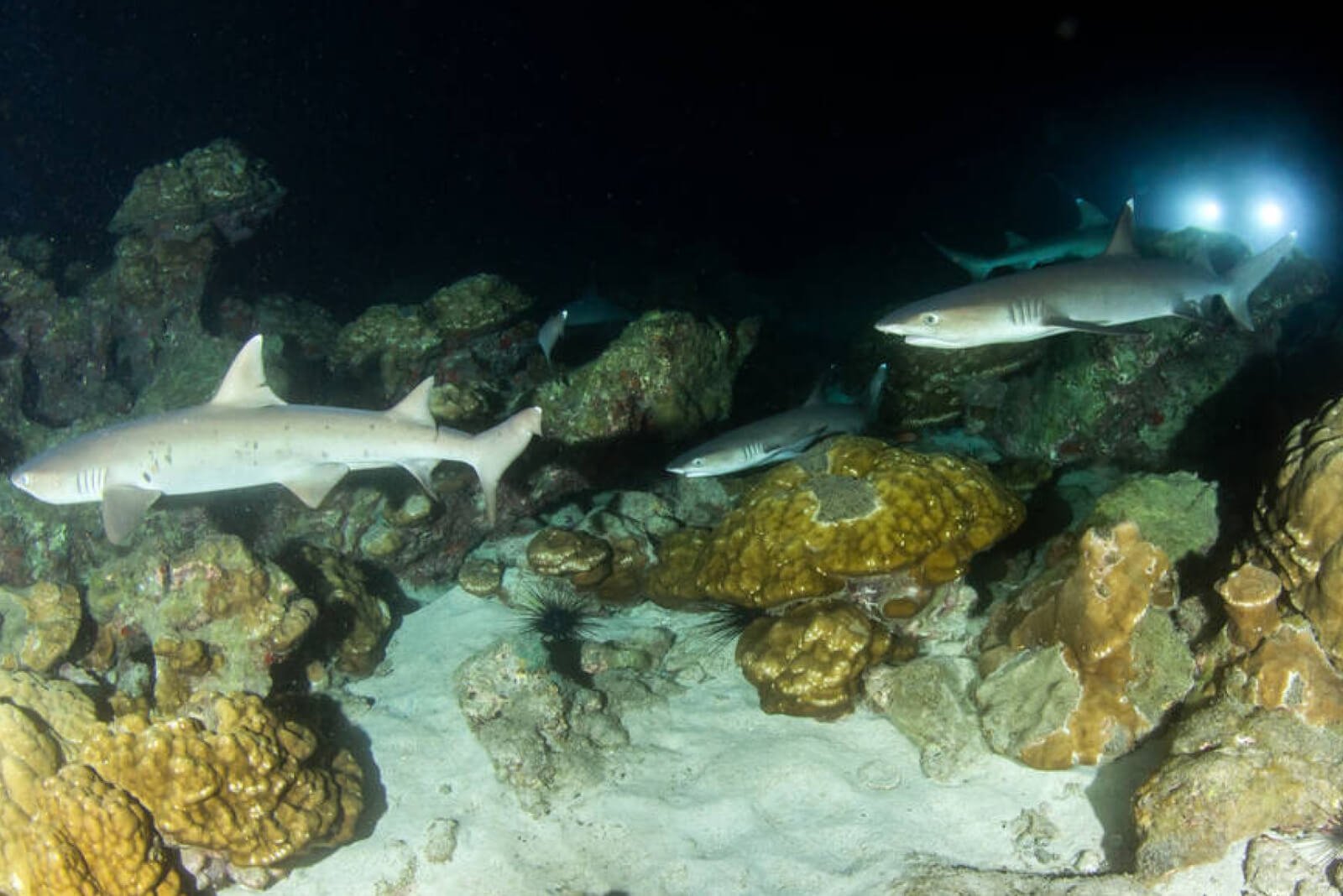 White Tip Reef Sharks in the Surrounding Waters of Cocos Island National Park
Isla del Coco is well-known to be one of Costa Rica’s best diving sites and a rare region filled with stunning nature. This area of the Pacific Ocean is full of animals such as giant manta rays, occasional whale sharks, hammerheads, dolphins, and other marine species. Hammerheads gather here by the thousands. Scientists believe that they are coming here to breed. Divers enjoy the chance to see giant sea turtles, manta rays, eagle rays, Scalloped hammerhead sharks, whales, dolphins, and many others. And, birdwatchers or nature enthusiasts will thoroughly enjoy the beautiful nature with the full-on tropical climate, along with the various types of wildlife that can be spotted on this oceanic island. Although this national park mainly piques the interest of divers, there’s not much else to do but scuba dive, snorkel or explore underwater caves here.
In addition to being home to some of the most important marine ecosystems in the region, the island is also a popular diving destination for visitors around the globe because of its sheer beauty and turquoise blue waters. The waters around Cocos Island are teeming with life.
The biodiversity of this island is super rich and contains stunning coral reefs, 200 species of plants, more than 200 different types of fish species living here, including white tip reef sharks, whale sharks, silky sharks and more. The diversity of plants, species of corals, insects, mammals, reptiles, birds, and marine life is incredible. There are also over 100 species of land bird, including frigatebirds, pelicans, herons, egrets, and cormorants. You can also find dolphins and humpback whales in this area. The climate is the reason that there are so many different marine species in the surrounding waters of this island.
If you’re an avid diver and plan on coming to this island to scuba dive, it usually takes place from smaller vessels like Zodiacs or similar small aluminum craft, with up to 20 scuba divers per vessel and a maximum of three diving trips each day. Sometimes divers get offered a chance to go diving at night as well. Be sure to book a guide and make reservations before you head out to the island, which will likely come with your transportation accommodations.
Things To Do in Cocos Island National Park
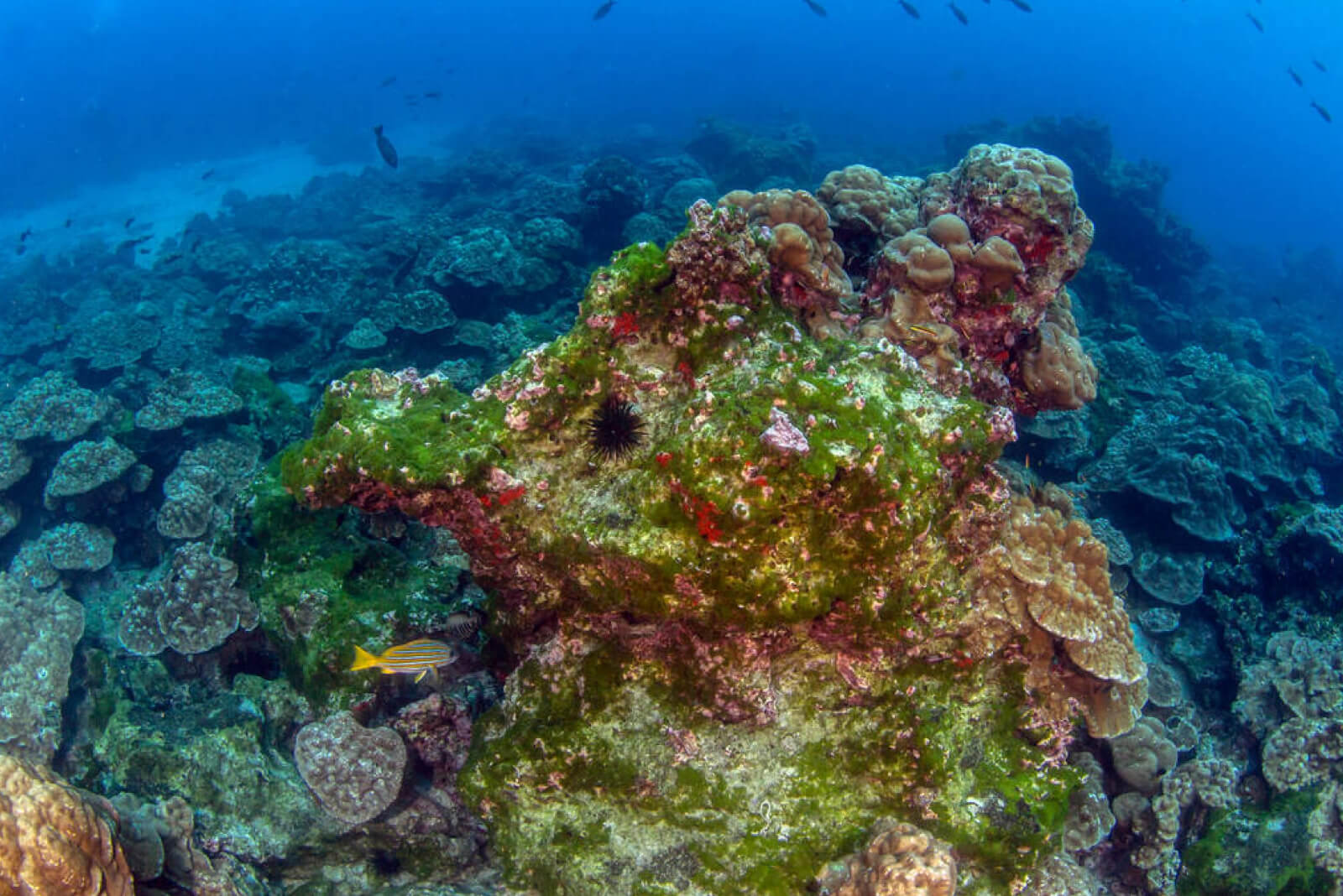 Coral Reef in the Surrounding Waters of Cocos Island, National Park
Cocos Island National Park is located in the Pacific Ocean and is in no way connected to Costa Rica. This national park has some amazing beaches, beautiful landscapes, and wildlife. There are also several things to see and do at this park.
Scuba Dive or Snorkel in the Surrounding Waters
The island is accessible only by boat, and the beautiful scenery en route to the destination almost matches the beauty of the destination itself. Visitors wanting to see the islands are welcome to take day trips to explore them, although a mere day trip would diminish your visit there. Scuba divers might want to explore the wonders of the ocean by taking an underwater adventure. These explorers can go down into amazing underwater caverns. Snorkeling is one of the most popular activities on Coco’s Island.
Explore the Park by Walking Through It or Relaxing on the Beach
A hike through the national park will probably expose you to many different types of wildlife that aren’t commonly seen in an average region in Costa Rica. It’s actually quite amazing that there are so many species of animals living on this island. The plant species that populate the island are varied and include some of the most diverse types of vegetation found anywhere in the world. Visitors that aren’t divers can also see the wonders of the sea from above while swimming among the local marine wildlife if they don’t want to dive into the water.
How to Reach Cocos Island National Park
Cocos Island’s only downside is the method of reaching the island, depending on what your preference for travel is. The beautiful island is only accessible by boat and is anywhere between a 36-48 hour boat ride from Costa Rica.
If you’re flying into Costa Rica, or happen to already be visiting close to either of these areas, the first starting point would be San José International Airport or Liberia International Airport. From either San José or Liberia, you could either arrange for transport to Puntarenas, which is in the south of Costa Rica so you could catch a boat ride where most dive companies offer their services to take you to Cocos Island. Or, you could let the diving company handle transportation for you. You just have to look up a diving company, call them and arrange transportation. It takes about 32-36 hours to get to Coco Island from Puntarenas. Smaller cruise ships often stop at the island too, offering daytripping opportunities.
Where To Stay in Cocos Island National Park
There is a small bay called Wafer Bay located to the north of the Island where boats can anchor, visitors can eat, take a shower, and use sanitary facilities. There’s also an ICE telephone tower, which offers free Wi-Fi access and a pay phone. Double and triple dormitory-style rooms are available with electricity for volunteer accommodation. They’re usually segregated by gender. It has an indoor pool, café, and outdoor gym. There aren’t any overnight facilities for the general population. To the northeast, there is another bay called Chatham Bay. Chatham Bay also has another boat anchorage, dining huts, resting spots, showering facilities, and toilets.
Best Time to Visit
As a visitor, you should definitely bring a bathing suit, a diving suit if you’re diving, a beach towel, swimwear, short sleeves, t-shirts, appropriate footwear, sunscreen, mosquito repellant, and bug spray. There may be some other diving equipment that you may want to bring along on the journey with you, but you know more about your equipment than what we can tell you!
Cocos Island has a humid and tropical climate. Temperatures stay fairly constant throughout most of the year but get cooler at night. Day-to-day temperatures range from the mid-80s to lower than 90 degrees Fahrenheit. Rainfall averages 730 cm/275 inches per year. Rainfall is quite high throughout most of the year, except outside of the months of January through March and late September through October when there are occasional showers. If you’re interested in diving, you may want to visit during the colder months (January through March) when there are fewer tourists, calmer waters, and better visibility in the water. The rainy season from June to December is usually a good time to dive with hammerheads if you’re into that. About 1,100 visitors visit Cocos Island every year, mainly from the months of March to May. We have more resources about other National Parks in Costa Rica and the weather in Costa Rica available as well.